
"Behind Closed Doors: Chesterburgh’s Secretive Expansion of Public Surveillance and the Battle for Transparency"
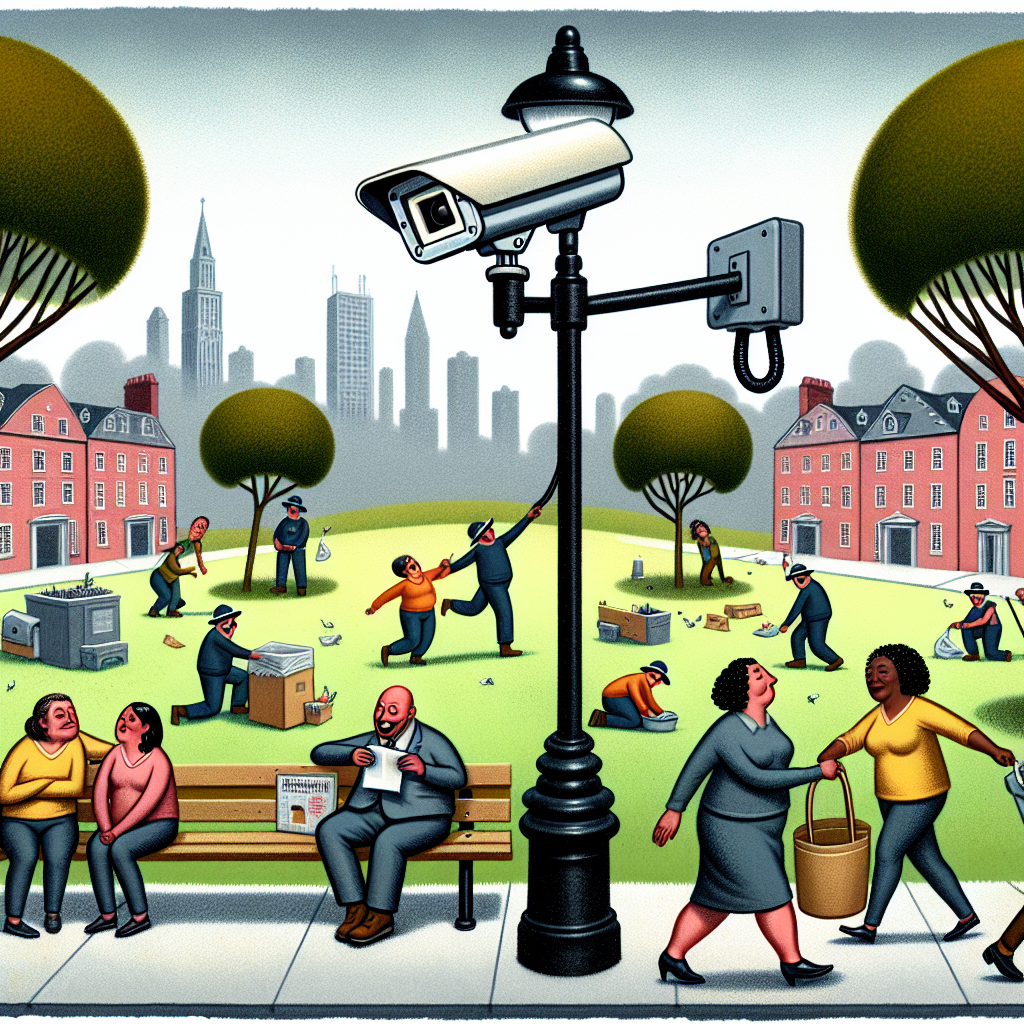
"The contract for installation and maintenance of closed-circuit television systems shall remain confidential under Section 14(b) of the Town Security Act, limiting public disclosure to authorized personnel only."
Last month, the Chesterburgh Town Council quietly approved a multi-year agreement with a private security firm to install surveillance cameras in several public parks and municipal buildings. The details of the contract — including total cost, surveillance locations, and data retention policies — have been withheld from the public under an exemption claimed by town officials. Documents obtained through a Freedom of Information Act (FOIA) request reveal that this marks a significant expansion of the town’s surveillance infrastructure with implications for citizen privacy and governmental oversight in Chesterburgh.
To understand the scope and impact of this contract, it’s important to start with the documents themselves. The initial FOIA request was filed on March 2 by a local privacy advocacy group, Chesterburgh Watchdog, seeking records related to public surveillance. After a statutory delay, I received a partial set of redacted materials from the town clerk’s office just days ago. Among these are the contract between Chesterburgh and SecureSight Solutions LLC, town council meeting minutes from February where the agreement was mentioned but not debated, and internal memos highlighting security concerns that motivated the purchase.
The contract’s effective period extends through December 2027 and commits the town to a minimum payment of $750,000 for the installation and ongoing maintenance of surveillance equipment. Locations specified, albeit vaguely, include “all municipal parks, the downtown town hall plaza, and key transit stops.” However, the exact placement and number of cameras remain undisclosed under the cited confidentiality clause. Notably, the clause references the Town Security Act, a state law passed quietly in 2018 that restricts disclosure of sensitive security installations to prevent tampering or vandalism.
This is not Chesterburgh’s first foray into public surveillance. In 2015, the town installed a handful of cameras at the municipal library and police headquarters. Yet, the expansion described in the current contract quadruples the coverage area and suggests a shift in local policy towards a more surveillance-heavy public safety approach. What remains unclear is how public input was solicited — or not — during this process. Council minutes from last month show a brief mention of the contract proposal with unanimous votes, but no record of public commentary or detailed discussion.
Chesterburgh’s municipal budgeting documents show that funding for this project is drawn from the town’s capital improvement budget, supplemented by a $200,000 grant categorized under “public safety innovation.” The grant application referenced “advanced security technologies,” but the terms and conditions of the grant have not been disclosed in full, raising questions about stipulations that might have influenced or pressured expedited contract approval.
Privacy advocates argue that such surveillance programs warrant transparent debate and oversight, especially where data collection is concerned. SecureSight’s contract includes provisions for 30-day video retention, after which data is automatically purged unless flagged for investigation by law enforcement. However, internal memos reveal that SecureSight software also features AI-powered “anomaly detection,” capable of flagging unusual behaviors without human review, a detail never publicly mentioned by town officials.
The omission is significant. The technology in question has been the subject of controversy nationwide due to concerns over algorithmic bias and the potential for disproportionate surveillance of marginalized groups. Chesterburgh has a modest but diverse population, with historically underser